
For small and medium-sized businesses (SMBs), cloud computing has transformed how data is stored, accessed, and secured. Yet, the conversation around cloud security is often clouded with misconceptions. Many business leaders hesitate to move operations to the cloud because they fear data breaches, compliance risks, or lack of control. These concerns are valid, but not always based on facts.
In reality, cloud providers have invested heavily in advanced security systems that often surpass what traditional on-premises solutions can deliver. The key is separating myths from facts so business owners can make informed decisions about protecting their sensitive information. By addressing these misconceptions, organizations can unlock the full potential of the cloud while keeping their operations secure.
This article explores the most common myths surrounding cloud data security, contrasts them with the facts, and provides guidance for SMBs, healthcare practices, real estate brokerages, and service providers on how to confidently embrace the cloud.
Is the Cloud Really Less Secure than On-Premises Systems?
A common misconception among SMBs is that the cloud is inherently less secure than traditional, on-premises systems. Many business owners assume that physical control over their servers equals better security. However, this assumption ignores the fact that cloud providers invest millions in cutting-edge cybersecurity technologies, encryption protocols, and compliance certifications.
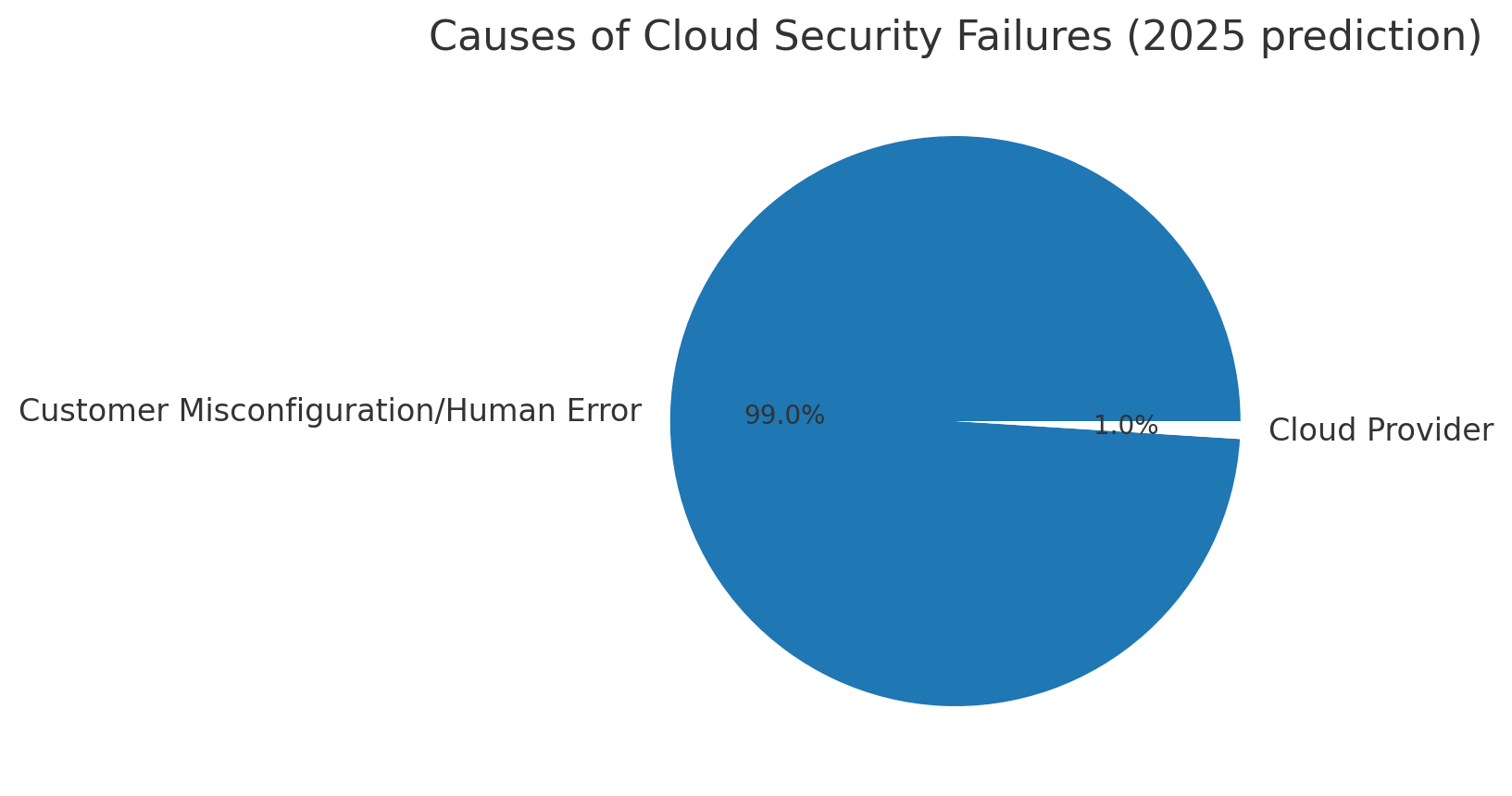
According to a Gartner report, by 2025, 99% of cloud security failures will be due to customer misconfiguration or human error, not the cloud provider itself. [Insert Graphic: Pie chart showing causes of cloud security failures]. Source: Gartner, 2022.
Cloud providers such as Microsoft Azure, Amazon Web Services (AWS), and Google Cloud undergo regular third-party audits to ensure compliance with standards like HIPAA, GDPR, and SOC 2. These certifications guarantee that the infrastructure meets stringent requirements for safeguarding sensitive data, especially for healthcare and financial industries.
The real challenge lies in how organizations configure and manage their cloud environments. Poor password practices, lack of multi-factor authentication, and inadequate training often leave businesses vulnerable. Therefore, the fact is that the cloud is not less secure—human error and weak processes are the actual risks.
Does the Cloud Make Compliance Harder?
Another frequent myth is that moving data to the cloud makes regulatory compliance more difficult. Business leaders in industries such as healthcare and real estate often worry that cloud solutions cannot meet strict compliance requirements. This hesitation delays cloud adoption and prevents companies from reaping efficiency gains.
The fact is that top-tier cloud providers build compliance into their infrastructure. For example, AWS and Microsoft Azure offer HIPAA-compliant solutions and support frameworks like HITRUST. This means that healthcare practices can safely handle electronic health records while meeting all regulatory requirements.
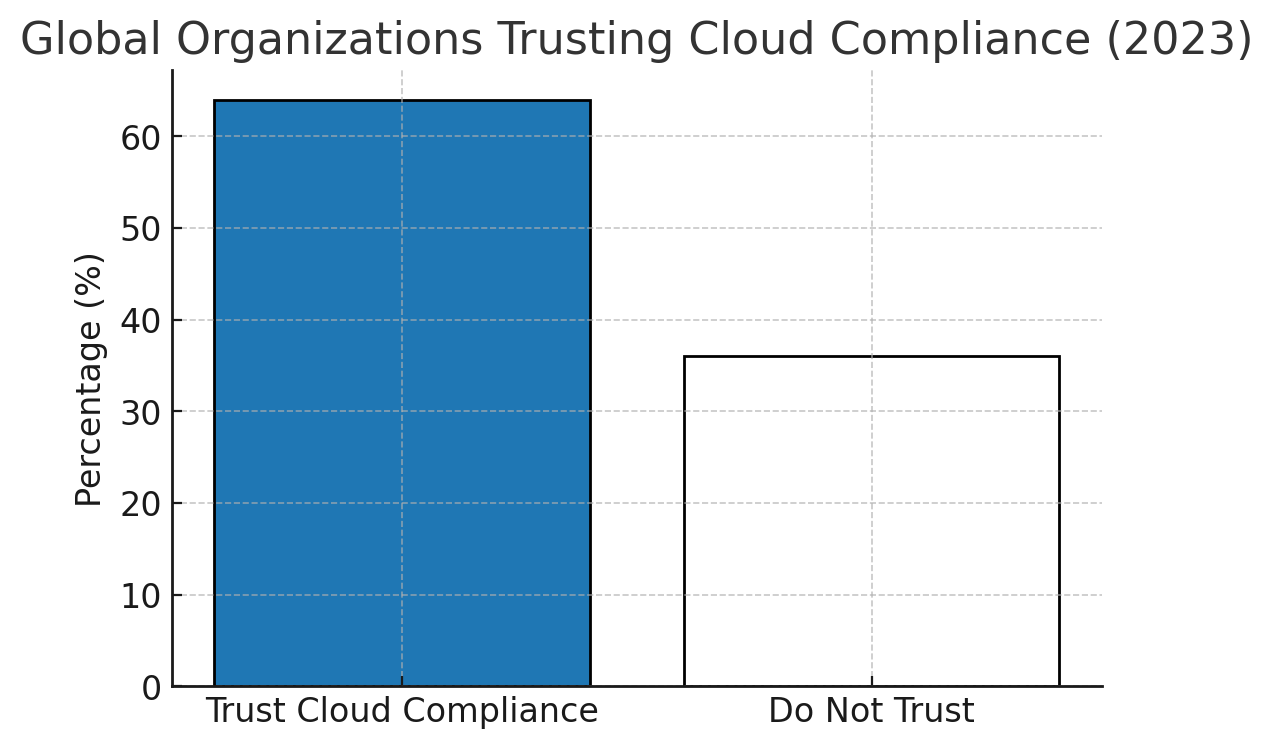
A 2023 Statista survey found that 64% of global organizations trust cloud services to meet compliance needs. [Insert Graphic: Bar chart showing percentage of organizations trusting cloud compliance]. Source: Statista, 2023.
For SMBs, compliance in the cloud becomes easier when they work with experienced IT partners. These experts configure environments properly, apply security updates regularly, and ensure access controls align with the specific industry requirements.
Does the Cloud Cost More in the Long Run?
Some decision-makers believe that using cloud services results in higher costs compared to on-premises systems. At first glance, subscription-based pricing models may seem more expensive than a one-time hardware purchase. However, this ignores hidden costs such as maintenance, hardware replacement, and security upgrades.
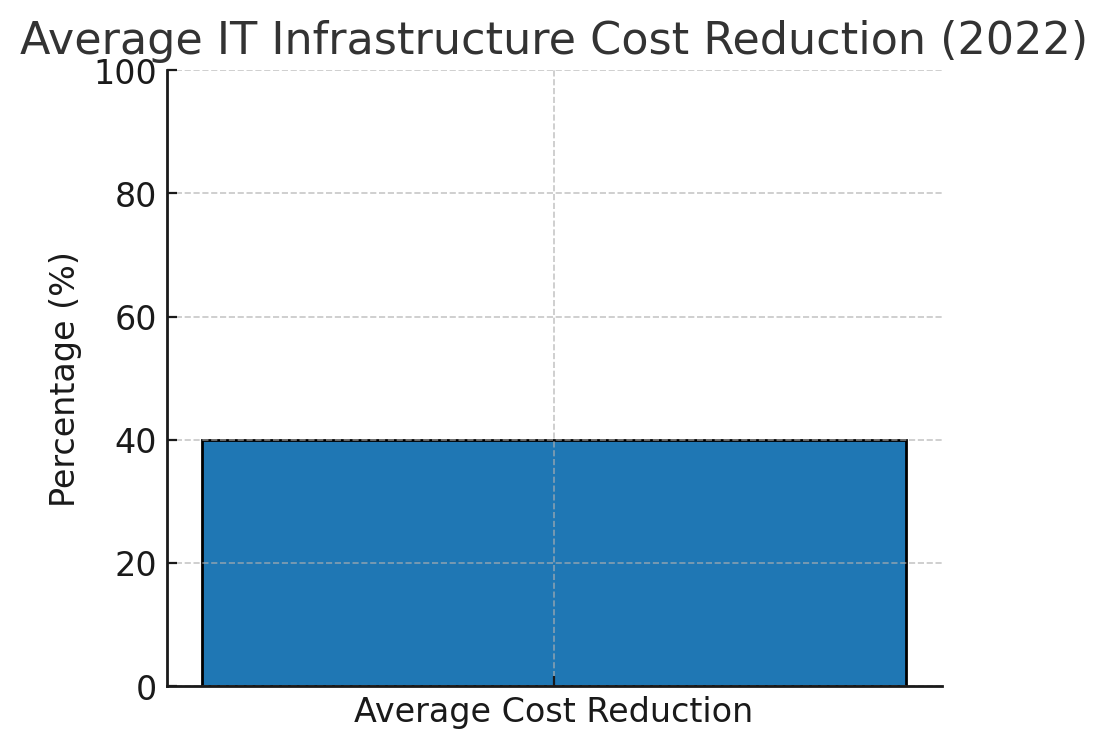
The reality is that cloud computing often reduces total cost of ownership. A 2022 Forrester study found that organizations adopting cloud solutions reported an average 40% reduction in IT infrastructure costs. [Insert Graphic: Bar chart showing average cost reduction after cloud adoption]. Source: Forrester, 2022.
Cloud services eliminate the need for costly in-house servers, IT staff for constant maintenance, and energy expenses associated with running large server rooms. Instead, SMBs pay only for the resources they use, which allows them to scale efficiently without waste.
While poor planning or overprovisioning can inflate costs, proper monitoring and governance ensure cloud investments remain predictable and manageable. In fact, businesses often find that the financial flexibility of cloud services supports growth rather than hinders it.
Are Small Businesses Overlooking Their Cybersecurity Risks?
A dangerous myth is that cybercriminals only target large enterprises, leaving small businesses out of the crosshairs. Unfortunately, this is far from true. In reality, small and medium-sized businesses are often prime targets because attackers assume their defenses are weaker.
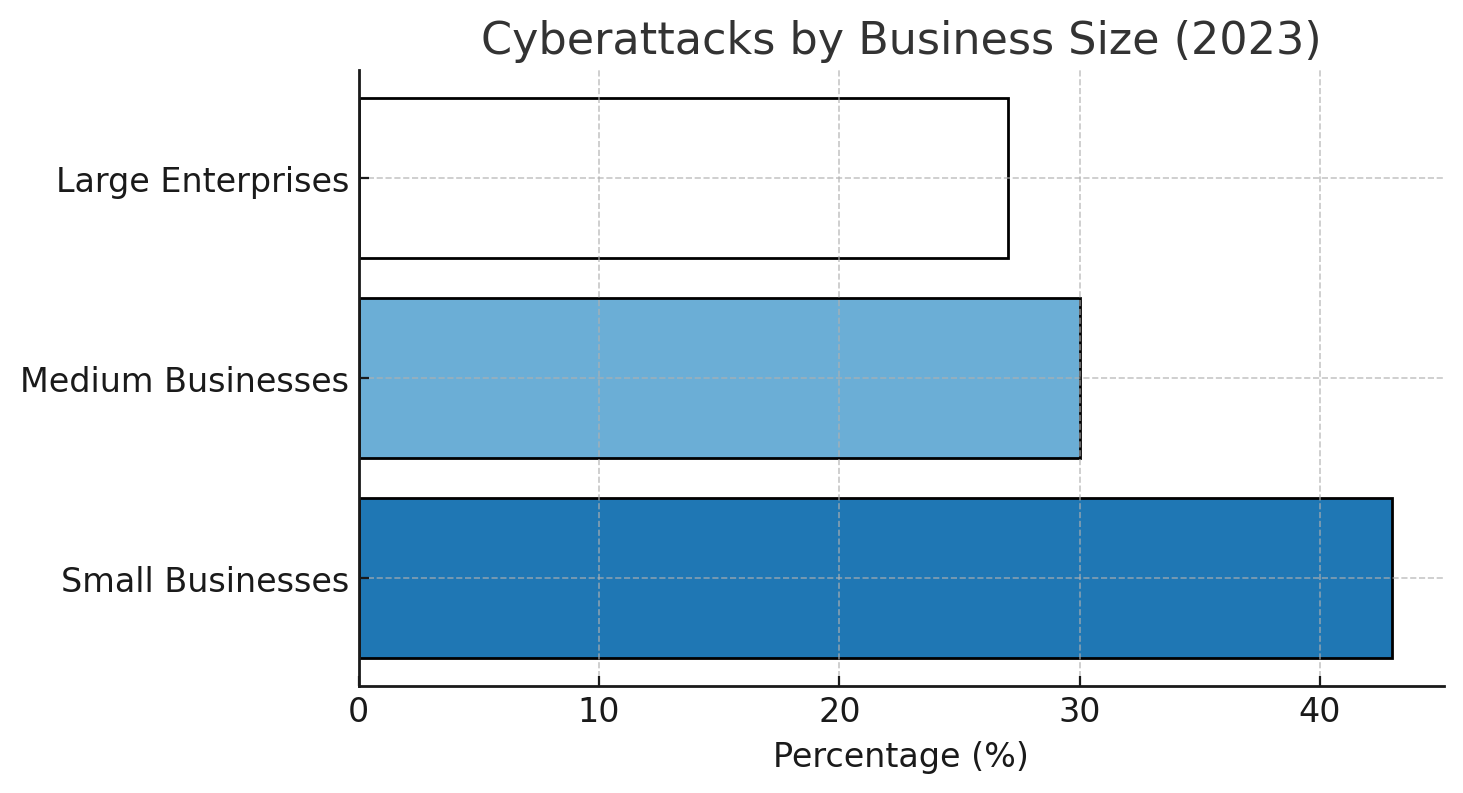
The Verizon 2023 Data Breach Investigations Report revealed that 43% of cyberattacks targeted small businesses. [Insert Graphic: Horizontal bar chart showing percentage of attacks by business size]. Source: Verizon, 2023.
Healthcare practices, real estate brokerages, and service providers all hold sensitive information such as patient records, financial data, and client contracts. Hackers exploit weak access controls and unpatched systems to steal this information, often leading to financial loss and reputational damage.
The fact is that SMBs cannot afford to overlook cybersecurity. By leveraging the security capabilities of reputable cloud providers and partnering with IT experts, these businesses can implement enterprise-grade protections without bearing the cost of building systems from scratch.
Turning Myths into Opportunities for Growth
Cloud adoption is no longer a question of if but when for most businesses. The myths surrounding cloud security often hold leaders back from fully embracing the technology. By separating fact from fiction, SMBs can reduce risks while unlocking scalability, flexibility, and cost savings.
Rather than viewing the cloud as a liability, forward-thinking organizations treat it as a strategic asset. With built-in compliance, robust security protocols, and opportunities for cost optimization, the cloud empowers businesses to compete in today’s digital economy.
Healthcare practices, real estate brokerages, and service providers that adopt cloud-based solutions position themselves for long-term success. By addressing misconceptions early, leaders create an environment where innovation can thrive without compromising data integrity.
The path forward involves education, planning, and expert guidance. By working with trusted partners like Gooey IT, organizations can ensure that their cloud journey is both secure and rewarding.
References
Gartner (2022). Predicts 2025: Cloud Security. Retrieved from https://www.gartner.com
Statista (2023). Trust in cloud services for compliance worldwide. Retrieved from https://www.statista.com
Forrester (2022). Total Economic Impact of Cloud Adoption. Retrieved from https://www.forrester.com
Verizon (2023). Data Breach Investigations Report. Retrieved from https://www.verizon.com